
Ninja
Ninja AutoBarista Pro Fully Automatic Espresso
A bean to cup machine: it grinds, doses, tamps, brews and steams without you touching anything, which is the opposite philosophy to a Gaggia.
Indoor precision cooking
Sous vide time follows thickness, not weight: a 1 inch slab takes about 1 hour to reach bath temperature and a 2 inch slab about 4 hours. The USDA safe minimum internal temperatures are 165 F for poultry, 160 F for ground meat and 145 F with a 3 minute rest for whole muscle beef and pork. Below those figures, safety depends on a hold time we will not invent.
401 pages of charts, calculators and researched gear guidance for sous vide, vacuum sealing, combi and steam ovens, air fryers, pressure cookers, the Ninja Creami line, blenders, espresso, induction, thermometry, fermentation and dehydrating. Every number says where it came from, and the ones we cannot defend are left blank on purpose.
Start with a calculator
Work out how long the core of a cut takes to reach bath temperature, from its thickness and shape. Thickness sets the time, not weight.
Check a sous vide temperature against the USDA published safe minimum internal temperature for that category, and see plainly when we will not give you a hold time.
Convert any conventional oven time and temperature to air fryer settings, with a check-early time so you do not find out by burning it.
Balance fat, sugar and milk solids in an ice cream base, and see whether a Ninja Creami pint will spin smooth or need a re-spin.
Reference charts, the part people quote
35 pages. How long the core of each cut takes to reach bath temperature, by thickness. Calculated from a conduction model, not from cooking anything.
24 pages. What each doneness band means at the core, and how it compares with the USDA published safe minimum internal temperature.
32 pages. Time, temperature and whether to shake, for the foods people actually put in an air fryer.
28 pages. High pressure times for electric and stovetop cookers, which release to use, and the altitude adjustment.
22 pages. Freeze time, total solids and whether a base needs a re-spin, for every kind of pint people make.
26 pages. Temperature and run time by food, and how slice thickness and humidity move the number.
14 pages. What size bag each job needs, and which jobs an external sealer simply cannot do.
12 pages. Salt as a percentage of water weight, and how long each cut wants in it.
12 pages. Salt percentage against the combined vegetable and water weight, with the arithmetic shown.
68 pages. Published specifications for every machine in our verified catalog, one page each.
Gear that fits these numbers
Verified live against the Amazon catalog, with the price each listing carried when we last checked. We do not test products in person and we say so on every page.
A bean to cup machine: it grinds, doses, tamps, brews and steams without you touching anything, which is the opposite philosophy to a Gaggia.
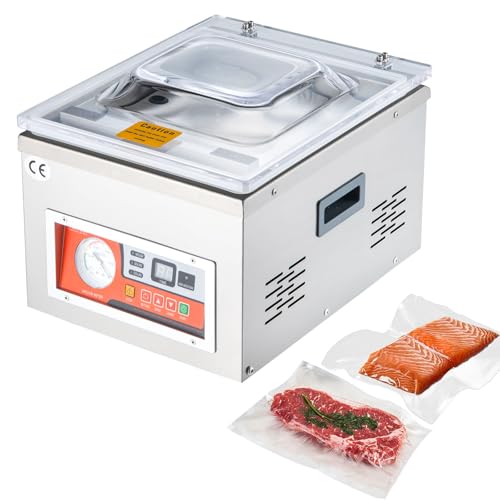
The cheapest genuine chamber machine worth owning, and the entry point at which sealing liquids stops being a fight.
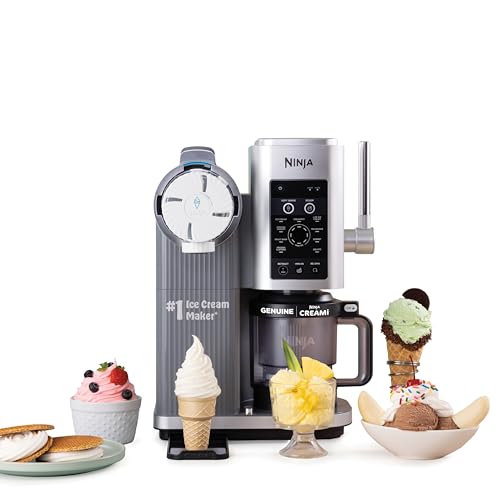
The top of the line: it dispenses soft serve as well as processing a hard pint, which is a genuinely different machine rather than a colour change.

The default full size circulator: enough wattage to bring a 12 quart bath up quickly and hold it, with app control for long overnight cooks.
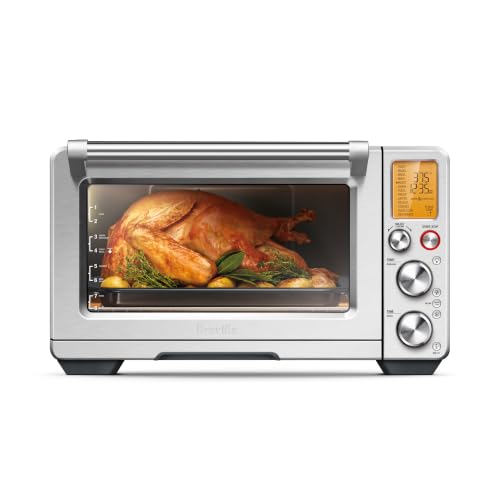
The countertop oven that behaves like a real oven: element control front to back rather than one heat setting, and enough interior to roast for four.

The DualZone with a cook probe, which is the feature that turns an air fryer from a timer box into something you can actually cook a thick chicken breast in.
Prices when last checked. They change often.
How this site treats its numbers
USDA and FSIS safe minimum internal temperatures are quoted as published and linked to the source. We do not paraphrase them and we do not round them.
Come-up times come from a conduction model where time scales with the square of thickness, and vacuum boiling points from the Antoine equation. Both are stated, with their assumptions.
We do not publish pasteurization hold times below the USDA minimum. Those come from the FSIS Appendix A tables for a specific product, and a wrong figure there is the one error in this niche that can actually hurt someone.
Outdoors lives elsewhere
This site stays indoors. Barbecue and smoking, including the Ninja Woodfire, belong to SmokerCalc. Pizza ovens and dough belong to PizzaOvenCalc. Grills and outdoor cooking belong to BackyardGearCalc. Cake batter, frosting and meringue belong to CakeDecoratingCalc. Stand mixers here are treated as general purpose only.
Indoor precision cooking and the small appliances that do it: sous vide and immersion circulators, vacuum sealers including chamber machines, combi and steam ovens, air fryers, multicookers and pressure cookers, the Ninja Creami line, blenders, espresso, induction, thermometry, fermentation and dehydrating. Barbecue, smoking, pizza ovens and outdoor grilling are covered by our sister sites instead.
Medium rare beef sits between 129 F and 134 F at the core, and in a water bath that is also the temperature you set the circulator to, because the food cannot get hotter than the water. The USDA safe minimum internal temperature for whole muscle beef is 145 F with a three minute rest, so a 131 F bath is a deliberate choice below the published figure.
Time follows thickness, not weight. A one inch slab takes about an hour for its core to reach bath temperature and a two inch slab takes about four hours, because heating time scales with the square of thickness. Tender cuts are done at that point, while tough cuts then need many more hours at temperature to convert collagen.
Only where a named authority publishes them. At or above the USDA safe minimum internal temperature we confirm that no hold is required. Below it, a correct time comes from the FSIS Appendix A lethality tables for a specific product, which vary with fat and salt content, so our calculator returns nothing and points at the source rather than guessing.
No, and we say so on every page. Recommendations come from manufacturer specifications, published standards, owner manuals and recurring themes in verified owner reviews. Every product carries a price and an ASIN confirmed live against the Amazon catalog rather than copied from an older article.